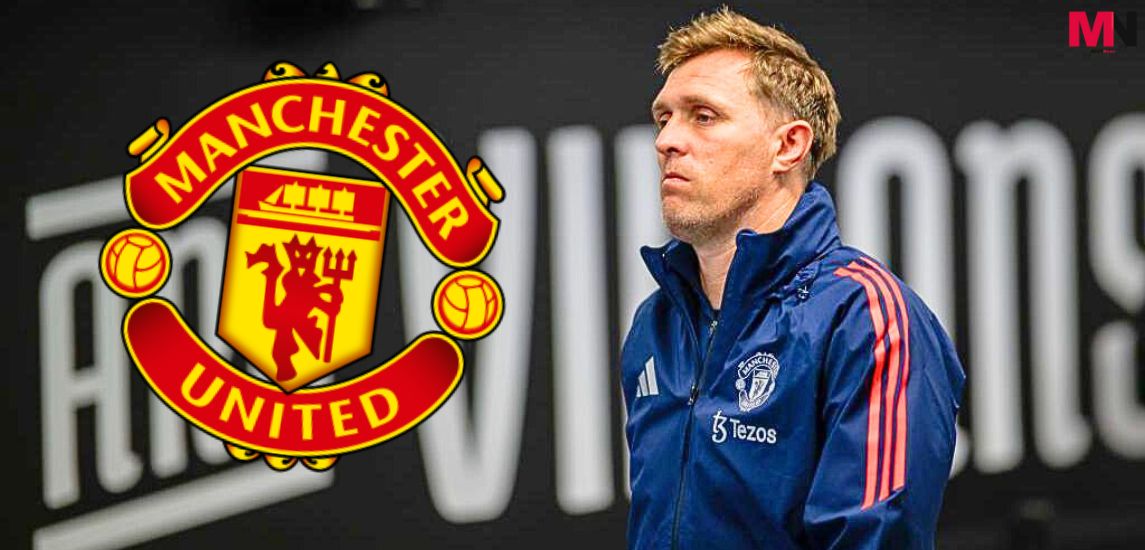
Manchester United have made another huge decision behind the scenes after sacking their head coach following a very public clash with the club’s board.
The decision came after a tense weekend where the former coach openly questioned the structure at Old Trafford and admitted he did not have enough power to do his job properly.
His comments caused shock among fans and club staff, and it quickly became clear that his position was no longer safe.
United’s hierarchy moved fast, ending his time at the club after a short and difficult spell in charge.
It marks another major turning point in a season full of drama, pressure, and big decisions.
Breakdown in Relationship Forced United’s Hand
The main reason behind the sacking was a complete breakdown in trust between the head coach and the club’s board.
Over the weekend, the Portuguese coach made it clear he felt restricted in his role.
While his job title was head coach, he believed he should have been allowed to work as a full manager, with control over transfers, squad rebuild, and long-term planning.
Instead, he was mainly responsible for training sessions and matchday results, while recruitment and big decisions were handled above him. This structure left him frustrated, especially as results failed to improve consistently.
In modern football, disagreements behind closed doors are common. What made this situation different was how openly the coach spoke about it.
By publicly questioning the board, he placed United in a corner, back him fully or remove him.
With results already under scrutiny, the club chose the second option.
Results Did Not Help His Cause
While the internal issues were serious, performances on the pitch did not help his position either.
Across his time in charge, the coach managed just 24 wins from 63 matches, a return that fell well below expectations at a club of United’s size.
There were flashes of improvement, but consistency was never found.
United often struggled to control games, and supporters became frustrated with the lack of a clear identity. Injuries played a part, but many fans felt the team still lacked balance and confidence.
When a coach challenges the board, results usually need to be strong to survive. In this case, they were not.
Dressing Room Impact and Growing Tension
There were also signs that tension had begun to spread into the dressing room.
Players were aware of the disagreement between the coach and the hierarchy, and that uncertainty can quickly affect performances.
When footballers are unsure about the future of their manager, confidence drops and focus suffers.
United are a club where pressure never stops. Every press conference, every quote, and every result is examined closely.
Once the situation became public, the board knew it could not drag on.
The fear was that allowing the conflict to continue would damage the squad further and risk the rest of the season.
m.allfootballapp.com
Darren Fletcher Steps In As Interim Coach
With the head coach gone, Darren Fletcher has been placed in interim charge of the first team.
Fletcher is a respected figure inside the club and knows Manchester United better than most.
As a former player, he understands the standards expected and the pressure that comes with wearing the shirt.
He will now prepare the squad for their upcoming midweek clash against Burnley, a match that suddenly feels even more important.
This interim spell is about stability, not revolution. Fletcher’s task is to calm the squad, keep performances steady, and restore focus while the club decides on the next permanent appointment.
Board Reasserts Control at Old Trafford
This sacking sends a clear message from Manchester United’s leadership.
The club want a clear structure where responsibilities are defined and followed. While head coaches are trusted with tactics and preparation, ultimate control over squad building remains with the board.
From their point of view, the coach accepted those terms when he joined. Publicly challenging that system was seen as crossing a line.
United have struggled for years to find the right balance between manager power and board oversight.
This latest episode shows that the club are unwilling to change that structure, even if it costs them another coach.
Fans React With Mixed Feelings
Supporters have reacted in different ways.
Some fans feel the sacking was inevitable, pointing to poor results and constant excuses. Others believe the coach was right to speak out and that the board’s structure continues to hold United back.
What most fans agree on is that instability remains a huge problem. Since the post-Sir Alex era, United have gone through multiple managers, each with different styles and ideas.
This latest change once again resets the project, leaving supporters asking the same old question: who is really in charge at Manchester United?
What Happens Next for United?
In the short term, all focus is on the Burnley match. A positive result would ease tension and give Fletcher breathing space.
Behind the scenes, United will now begin the process of identifying its next long-term head coach. The club are expected to take their time, learning from past mistakes.
Key factors will include:
- Willingness to work within the club’s structure
- Ability to handle pressure
- Experience managing big personalities
- Clear playing identity
The next appointment must bring unity, not conflict.
This sacking was not just about tactics or results. It was about power, control, and trust.
When the head coach publicly questioned the board, the relationship reached a breaking point. Without strong results to protect him, his position became impossible to defend.
Now, Manchester United move forward once again, hoping this change brings calm rather than more chaos.
For fans, it is another reminder that rebuilding a giant club is never simple and that success requires alignment from top to bottom.
For more Manchester United News, follow us on Facebook for instant updates directly to your phone.
Discover more from MUFCNews
Subscribe to get the latest posts sent to your email.